
26 miles of rigging on a ship-of-the-line – what did it do?

The lesson explores the intricate rigging system of a ship-of-the-line, which consists of 26 miles of rope and 786 pulleys, essential for the ship’s movement and stability. It distinguishes between standing rigging, which provides structural support to the masts, and running rigging, which allows for the adjustment and control of the sails. The lesson emphasizes the teamwork, skill, and bravery required by sailors to effectively manage this complex system, ensuring safe navigation across the seas.
The suicidally brave charge of the Polish Light Horse at Somosierra

The lesson on the charge of the Polish light horse at Somosierra illustrates the extraordinary bravery and determination of soldiers in the face of overwhelming odds during the Napoleonic Wars. Despite facing heavy artillery fire from well-prepared Spanish forces, the Polish cavalry’s daring charge allowed Napoleon’s army to break through a critical mountain pass, ultimately leading to the capture of Madrid. This event underscores the significance of strategic decision-making in warfare and the profound impact that individual acts of courage can have on historical outcomes.
The Greatest General in History? Alexander the Great (All Parts)

The lesson explores the remarkable military achievements of Alexander the Great, who, at just 20 years old, embarked on a campaign against the Persian Empire, ultimately creating one of the largest empires in history. It highlights key battles, such as those at Granicus, Issus, and Gaugamela, showcasing Alexander’s strategic brilliance and the effectiveness of the Macedonian army. Additionally, the lesson contextualizes Alexander’s rise within the broader historical framework of ancient Greece and Macedonia, emphasizing his lasting impact on the world through the spread of Greek culture.
Apollo Program: Eagle Has Landed
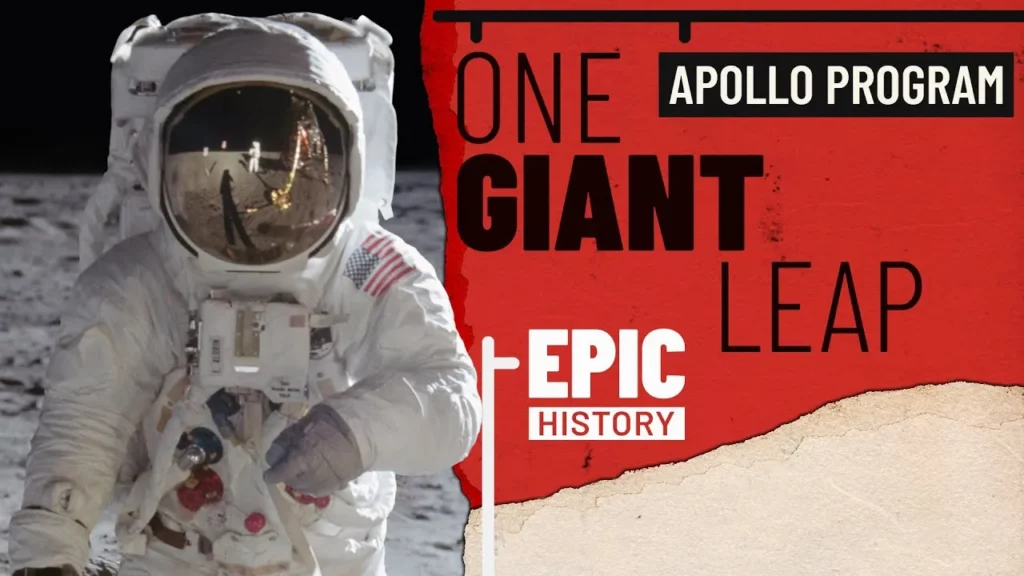
The lesson on the Apollo Program highlights the intense space race between the United States and the Soviet Union during the Cold War, culminating in President Kennedy’s ambitious goal of landing a man on the Moon. The program faced both triumphs and tragedies, including the successful Apollo 11 mission where astronauts Neil Armstrong and Buzz Aldrin became the first humans to walk on the lunar surface, marking a significant achievement in human exploration. This historic event not only fulfilled Kennedy’s vision but also shifted the focus toward scientific exploration of the Moon and its implications for understanding the solar system.
What were the British Navy's 'press gangs'?

The lesson explores the role of ‘press gangs’ in the British Navy, which forcibly recruited sailors during its peak, with half of the crew being volunteers and the other half conscripted. These gangs operated by targeting British sailors in ports, often causing fear and disruption within communities, although they primarily focused on those who met specific criteria rather than vagrants or serious criminals. The historical context of press gangs underscores the importance of fair recruitment practices and the lasting impact of forced service on individuals and families.
Napoleonic Wars: March of the Eagles 1805 – 09

The lesson on the Napoleonic Wars from 1805 to 1809 highlights Napoleon Bonaparte’s rise to power following his coronation as Emperor of the French and his subsequent military campaigns that reshaped Europe. Key events include the formation of the Third Coalition against France, Napoleon’s decisive victories at the Battles of Ulm and Austerlitz, and the twin battles of Jena-Auerstädt, which marked the decline of Prussian military power and solidified Napoleon’s dominance on the continent. Despite setbacks, such as Britain’s naval supremacy, Napoleon’s strategic brilliance and military organization left a lasting impact on European politics and warfare.
Napoleonic Wars: Battle for France 1814

The lesson on the Napoleonic Wars highlights the critical events of 1814, focusing on Napoleon Bonaparte’s defeat at the Battle of Leipzig, which marked a significant setback for his forces. Despite opportunities for peace through the Frankfurt Proposals, Napoleon’s refusal to compromise led to escalating challenges, including troop shortages and the loss of allies. Ultimately, the Coalition’s advance culminated in the fall of Paris and Napoleon’s forced abdication, leading to his exile to Elba, though his story would continue with his return to power less than a year later.
The Oracle of Delphi warns the Athenians
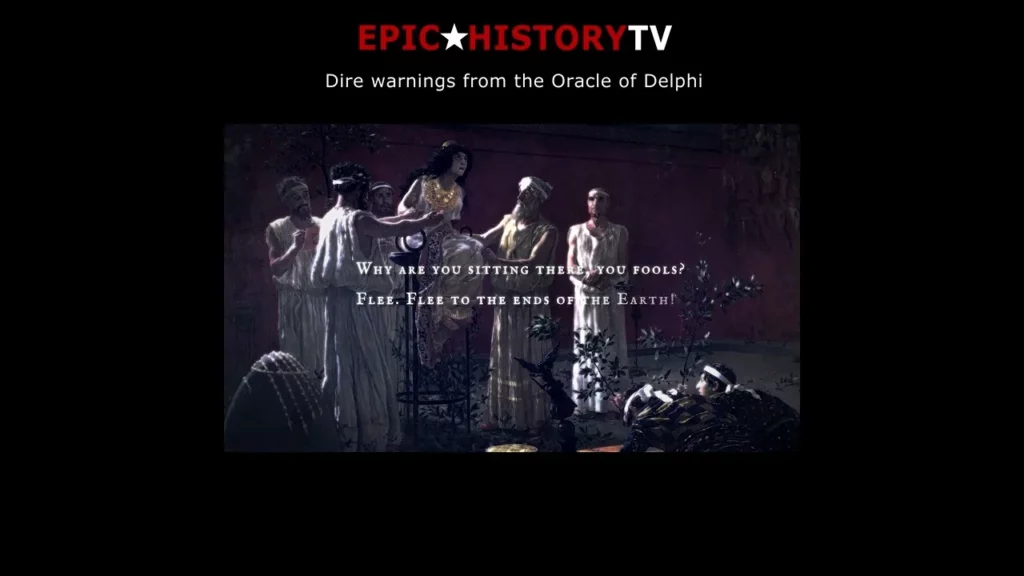
The lesson recounts the Athenians’ experience seeking guidance from the Oracle of Delphi during the impending Persian invasion. Initially warned to flee, they later received a prophecy about a “wooden wall” that they misinterpreted, leading to their defeat when the Persians attacked. This story highlights the complexities of interpreting prophecies and the importance of critical thinking in decision-making.
Napoleonic Wars: Battle of Borodino 1812

The Battle of Borodino in September 1812 was a pivotal and brutal confrontation during Napoleon’s ill-fated invasion of Russia, where both the French and Russian armies suffered heavy casualties. Despite initially capturing key positions, Napoleon’s forces faced fierce resistance from the Russians, ultimately leading to a strategic withdrawal by General Kutuzov after recognizing the significant losses on both sides. This battle not only highlighted the resilience of the Russian army but also marked the beginning of a challenging retreat for Napoleon, underscoring the unpredictability of military campaigns.
How did the Eastern Romans reorganise imperial defence?

The Eastern Roman Empire, or Byzantine Empire, restructured its military organization to enhance its defense capabilities, focusing on the establishment of central field armies and regional rapid reaction forces. This strategic reorganization allowed for a swift response to threats, ensuring the protection of Constantinople and maintaining stability across the empire’s borders. Additionally, the limitanei, stationed at the frontiers, played a vital role in delaying enemy advances, highlighting the importance of a well-coordinated military structure in safeguarding the empire’s vast territories.